
Why Made in California Matters


When someone asks where a product is made, they’re usually asking something deeper. Can I trust it? Will it perform? Will it align with what matters to me? Is it sustainable?
At Bentley, the answer starts with a simple truth; our carpet products are made in California, and that choice shapes everything.
A higher standard, by design
California sets some of the most rigorous manufacturing standards in the country, governing everything from air quality and water use to emissions, material transparency and labor. These are not guidelines; they’re enforced expectations.
That matters. It means our products aren’t just designed to perform, they’re required to and held accountable to the highest standards in the U.S. market. For our customers, that translates into confidence: in how a product is made, and how it holds up over time.

What this means for specifying products
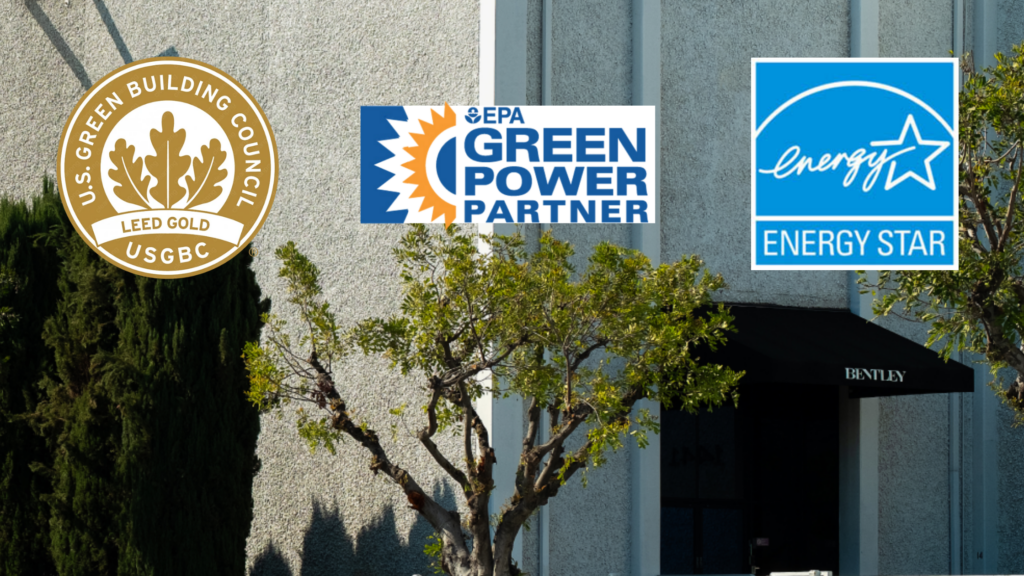
At Bentley, sustainability is our foundation. Our Los Angeles mill holds a LEED EB: O+M Gold certification — proof that environmental responsibility and manufacturing can, and should, work together.
For project teams, that means sustainability goals aren’t abstract or aspirational. They’re measurable, verified and built into the product from the start, aligning with LEED, WELL, ESG commitments and procurement standards that demand more transparency and accountability.
Transparency and ethics matter indoors
The spaces we design demand materials that support health and wellbeing. California requires a higher level of transparency than federal standards, from emissions tracking to responsible chemical management.
This transparency strengthens indoor air quality performance by limiting chemical emissions at the source, guiding safer material formulation, and enabling informed specification, while reinforcing ethical labor practices and advancing responsible sourcing across the supply chain. For customers, it means fewer unknowns and greater assurance that the materials they specify reflect their values.
Putting freight in perspective
Freight is part of the sustainability conversation, as it should be. But it’s not the whole story. In many cases, raw materials and manufacturing decisions often carry far greater carbon impact than transportation. And while freight is a one-time factor, product performance and manufacturing quality play out over the life of the product.
Quality issues, replacements and project delays often create a bigger environmental and operational impact than shipping ever would.
That said, we continue to invest in smarter logistics. Our ENERGY STAR-certified warehouse supports efficient operations and we offer use of rail freight, one of the most fuel-efficient transport methods available, to lower transportation emissions.
As California transitions toward zero‑emission freight, those benefits will only grow. The goal is simple: ensure shipping supports rather than undermines our environmental commitments.
Higher standards reduce project risk
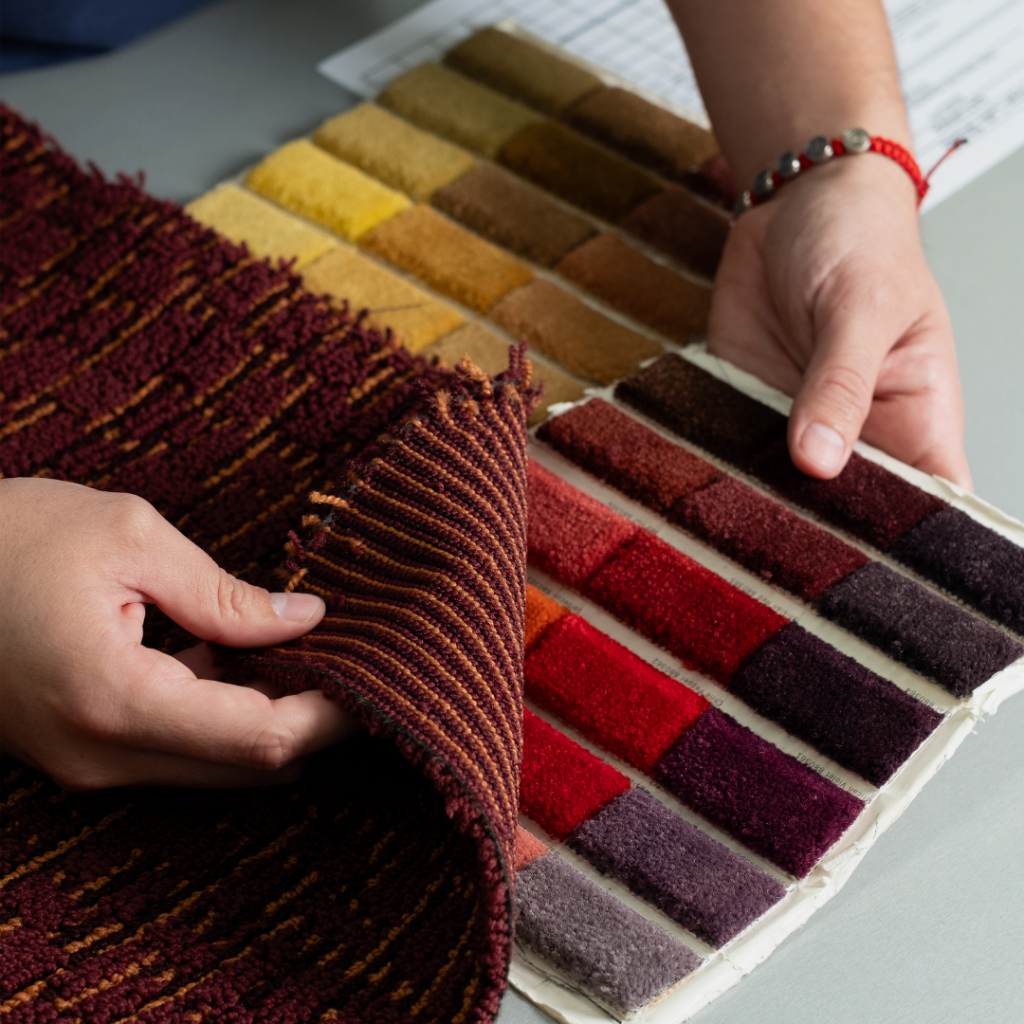
Manufacturing under the most stringent environmental regulations produces real advantages. Quality control is tighter. Issues are resolved faster. Compliance risks and delays are minimized. Products perform consistently across regions and applications.
For our customers, this means smoother installations, stronger warranties, fewer surprises and enduring results.
It also reinforces reputation. Projects specified with sustainable materials demonstrate leadership, and a commitment to doing things the right way.
“Made in California” is more than a label
“Made in California” isn’t a tagline. It’s a commitment. To higher standards. To transparency. To performance that lasts. At Bentley, California is where sustainability begins and where we build that promise into every product we make.
It’s why customers across the country continue to choose flooring crafted with care, transparency and confidence.